How Sugar Sabotages Your Health... and What You Can Do About It
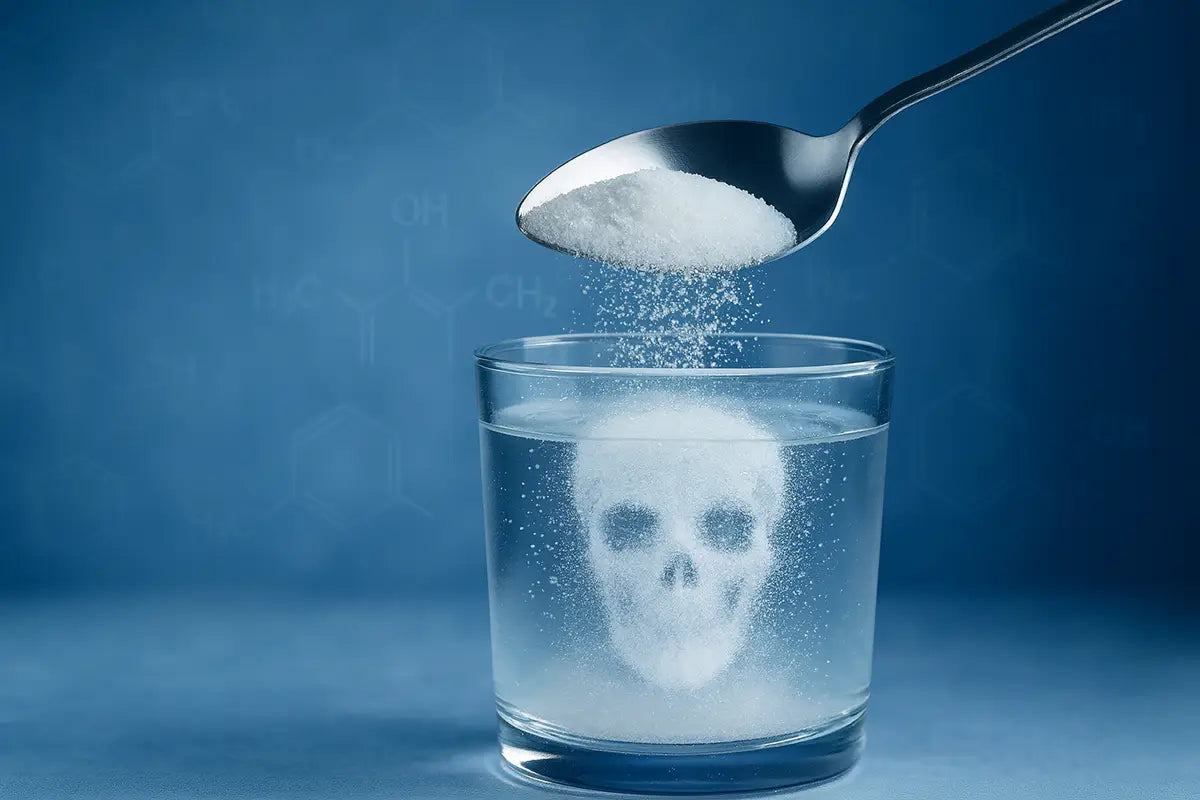
Most people know sugar isn't exactly broccoli when it comes to health. But if you ask the average person why sugar is harmful, you'll probably hear the same familiar phrases:
“It raises blood sugar.”
“It causes weight gain.”
“It’s bad for your teeth.”
Sure, but those barely scratch the surface.
Behind the scenes, sugar acts like a molecular invader, quietly disrupting your brain, hormones, kidneys, and long-term health. Motivated by my family's own health journey, I want to uncover how sugar does its damage, and why it’s so important to protect yourself.
🧠 Your Brain on Sugar: A Neurological Hijack
Sugar lights up the brain’s dopamine pathways like other addictive substances. Over time, chronically high insulin causes neurons to stop responding, leaving them starved for fuel while your bloodstream overflows with glucose.
Some neurologists even call Alzheimer’s Type 3 Diabetes because insulin resistance in the brain interferes with energy use, promotes beta-amyloid buildup, and accelerates aging. In other words, sugar literally ages the brain faster.
🔥 Sugar Supercharges Inflammation
Almost every chronic disease, from heart disease to neurodegeneration, shares one powerful villain: chronic inflammation. Sugar spikes insulin, activating NF-κB (the body’s master inflammatory switch) and driving up cytokines like IL-6 and TNF-α. These are deep cellular shifts that create a breeding ground for disease.
🎯 Cancer’s Sweet Tooth
Cancer cells love sugar. Many rely on glycolysis for rapid growth even when oxygen is plentiful, a phenomenon called the Warburg Effect.
While sugar doesn’t cause cancer, it fuels the metabolic environment tumors thrive in and boosts growth hormones like IGF-1, which reduce the body’s natural “self-destruct” signals.
💧Sugar and Kidney Damage
Even without diabetes, chronic sugar overload can cause microvascular damage, increased filtration pressure, and protein leakage: early signs of kidney stress. Up to 40% of people with “prediabetic” blood sugar already show these silent changes.
⏳ Sugar Literally Ages You
Sugar binds to proteins and fats in a process called glycation, forming AGEs (advanced glycation end products).
These compounds stiffen blood vessels, damage collagen, and make your tissues less elastic, essentially caramelizing your body from the inside out.
💔 Sugar Wrecks Hormones
High sugar doesn’t just raise glucose, it scrambles your hormonal balance:
- Cortisol: Sugar crashes trigger your body’s stress response.
- Leptin: Chronic sugar intake causes leptin resistance, so your “I’m full” signal breaks.
- Sex Hormones: High insulin lowers SHBG, leading to hormonal imbalances like increased free testosterone and estrogen.
🍭 Sugar’s Final Trick: It Makes You Crave More
Sugar desensitizes dopamine receptors. So, you need more sugar to get the same pleasure. That’s why cravings get stronger; it’s not about weak willpower, it’s neurochemistry.
💊 Modern Science Offers Solutions
Fortunately, modern science has validated ancient remedies that address these same metabolic pathways. The key is to find natural compounds that work like a metabolic master switch… and that compound is Berberine. 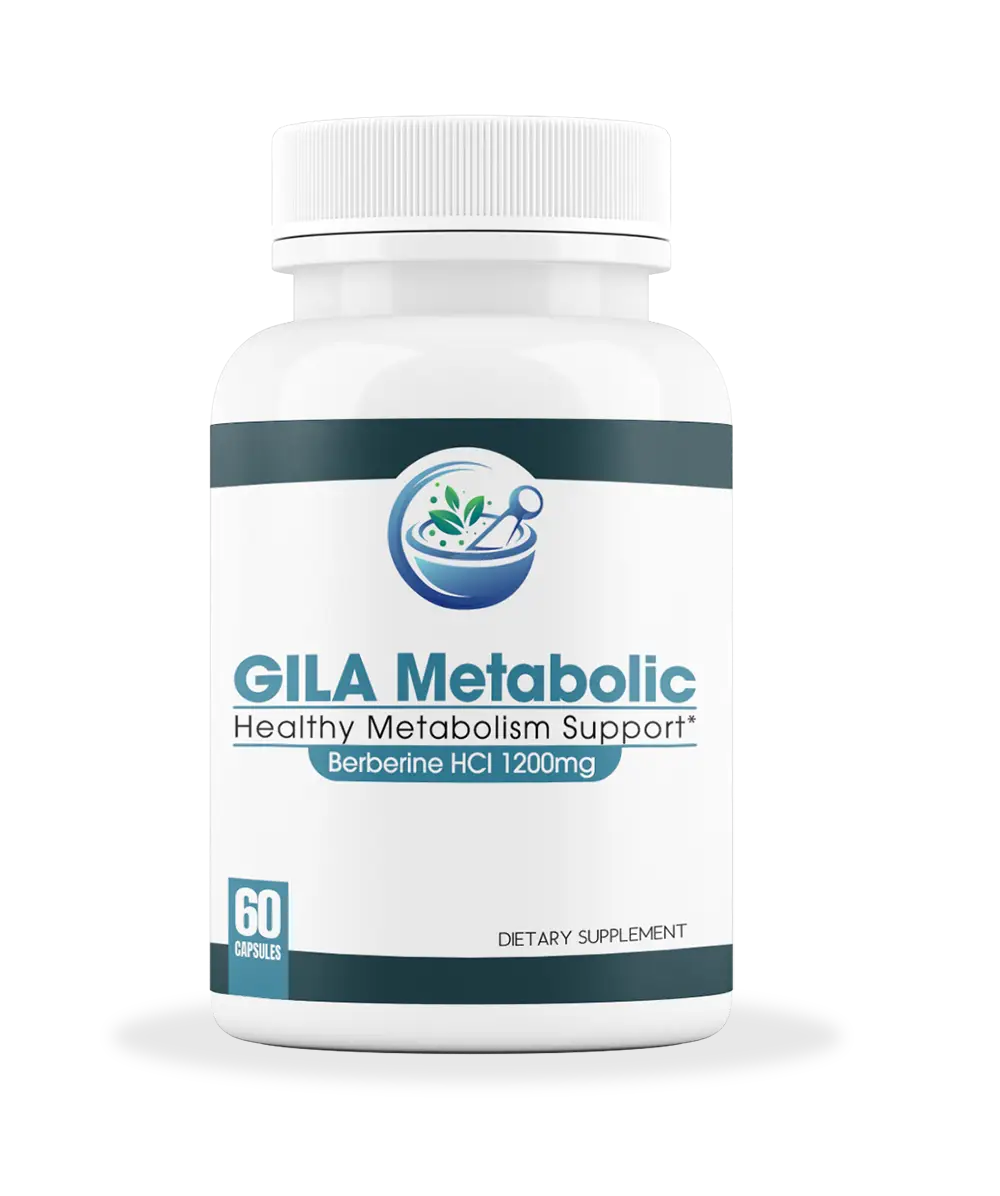
That’s why I formulated GILA Metabolic, a highly bioavailable Berberine supplement designed to support healthy glucose metabolism and help dampen the inflammatory cascade triggered by excess sugar.
👉 Learn more about GILA Metabolic.
👉 Read Berberine Decoded: Your Guide to Metabolic, Cholesterol and Gut Health
👉 Read Part 2 in our Hidden Sugar Series: The Science Most People Never Hear
The Bottom Line
Over 80% of people with prediabetes don’t know they have it. Even “normal” A1c levels can hide damaging spikes that lead to early nerve and kidney damage, fatigue, and brain fog.
Sugar doesn’t harm you in one dramatic way, it harms you everywhere, quietly and cumulatively. Reducing sugar isn’t about restriction; it’s about protecting your brain, hormones, kidneys, and long-term vitality.
Be well,
Pharmacist Eddie