
Hidden Sugar, Part 2: The Science Most People Never Hear
By Eddie Khoriaty, BPharm, R.Ph., C.Ph.
This article is Part 2 in our Hidden Sugar series. In Part 1, we explored how sugar quietly harms your brain, hormones, and organs.
Now, we’re going deeper into the surprising science behind insulin, glucose balance, and what’s really happening inside your body day to day.
But before we get too serious, let me ask you:
Is insulin a peptide or a hormone?
Strangely enough, it’s both! Insulin is a peptide hormone.
It’s a hormone because it’s produced in the pancreas and released into the bloodstream as a signaling molecule that regulates multiple physiological processes.
It’s a peptide (technically a polypeptide) because it’s made of amino acids. It’s first produced as a single chain called preproinsulin, then processed into the familiar double-chain insulin molecule.
Blood Sugar Truths that Most People Never Hear
Most people think blood sugar control comes down to one number: A1c.
Here’s the secret:
Two people with the same A1c (say, 5.6%) can have completely different metabolic futures.
Why? Because glycemic variability (the daily swings) is often more predictive of long-term risk than the average itself.
- One person may have a “beautiful” A1c number but experience hidden spikes into the 170–190 mg/dL range after meals.
- Another may have a stable curve staying under 120 mg/dL all day with minimal fluctuation.
Only one of those people is truly metabolically healthy.
And guess which one never gets told that anything is wrong, and may go for decades without realizing their body needs support?
Takeaway:
A1c is the class photo; CGM (continuous glucose monitoring) data is the live footage.
Wearing a continuous glucose monitor taught me more about my own metabolism than any lab panel ever did. I wore one for six months; long enough to learn what mattered for my body. It’s not for everyone, but it genuinely changed how I think about glucose.
Low-Carb Diets Work the Way Most People Think
Low-carb diets do reduce glucose spikes, but here’s the part nobody explains:
They increase insulin sensitivity only in some tissues.
- Muscle becomes more insulin-sensitive.
- The liver often becomes temporarily insulin-resistant, a normal, intentional adaptation called physiologic insulin resistance.
This is why someone on strict keto might eat 30 grams of carbs after weeks of zero-carb eating and suddenly spike to 180 mg/dL. They didn’t “break keto.” Their liver is simply conserving glucose for the brain.
It’s normal, reversible, and rarely explained.
GLP-1 Drugs Aren’t “Just Appetite Suppressants”
Most people hear: “GLP-1s make you eat less.”
Pharmacists know that’s the least interesting part.
GLP-1 drugs repair metabolic signaling that often breaks years before diabetes appears, including:
- Restoring first-phase insulin response
- Reducing inappropriate glucagon release
- Slowing gastric emptying so glucose isn't dumped into the blood stream all at once
They also modulate reward pathways, making ultra-processed food less irresistible. Suddenly, that box of chocolate loses its power, and a salad doesn’t seem so boring.
Here’s the part almost no patient hears:
GLP-1 receptors exist in the kidney, heart, and immune system.
This is why GLP-1s can:
- Lower inflammation markers
- Reduce albuminuria
- Improve endothelial (vascular) function
Appetite suppression gets the headlines, but metabolically, it’s the smallest effect.
What happened to Alpha-Glucosidase Inhibitor?
Acarbose is rarely used in the U.S., and that’s a shame.
Most people don’t realize it slows carbohydrate absorption, rather than blocking absorption entirely. This means you’ll still absorb those carbs, but just slowly enough that your pancreas doesn’t panic.
In some populations, acarbose works better than metformin for preventing progression from prediabetes to diabetes.
Yes, GI side effects made this drug unpopular… but functionally, it’s one of the safest antihyperglycemic drugs ever developed.
Not All Hypoglycemia Happens the Same Way
A common misconception:
“All diabetes meds that cause low blood sugar because they raise insulin.”
Not exactly.
Behind-the-counter nuance:
- Sulfonylureas: Force insulin release regardless of blood sugar ➡ classic, dangerous hypoglycemia.
- Meglitinides (repaglinide, nateglinide): Mimic first-phase insulin release. Short-acting, meaning lows happen fast but resolve quickly.
- Insulin: Hypoglycemia usually comes from timing mismatches, not overdose. Carbs digest faster or slower than expected.
- GLP-1 + insulin combo: GLP-1 alone rarely causes lows, but combined with insulin, hypoglycemia can occur if doses aren't adjusted as early insulin signaling improves.
Summary:
The pancreas has a sense of humor and it’s not always friendly.
Sugar Doesn’t “Damage Kidneys,” It Hijacks Pressure
Patients often hear: “High glucose damages your kidneys.”
But that’s oversimplified.
The real issue is glomerular hyperfiltration. Basically, the kidney running at full throttle for years.
Chronically elevated glucose increases reabsorption signaling dilation of the afferent arteriole. This raises internal pressure, damages the glomerulus, and leads to albumin leakage.
Think of it as your kidneys being forced to run a marathon at sprint pace.
Even fasting sugars of 100–115 mg/dL can quietly raise filtration pressure long before A1c becomes abnormal.
Pre-Diabetes Often Starts with Insulin, Not Sugar
Most people with prediabetes don’t have high glucose.
They have high insulin, often for a decade, compensating for rising insulin resistance.
This is why someone can have:
- A "normal" A1c
- Normal fasting glucose
- Weight gain, fatigue, and post-meal crashes
By the time glucose rises, 50–70% of beta-cell function may already be lost.
The tragedy? Hyperinsulinemia isn’t routinely screened, even though it predicts diabetes years earlier.
The Stealthy Glucose-Spikers
There’s a group of people I call stealth glucose spikers:
- They're fit
- They have normal labs
- Post-meal spikes to 200 mg/dl from foods like white rice
They’ve lost the first-phase insulin response, but fasting numbers look perfect. You only catch this with:
- A mixed-meal tolerance test
- 1-hour post-prandial glucose
- CGM data
The standard tests simply miss it.
The #1 Silent Glucose Raiser: Sleep Debt
Not carbs.
Not sugar.
Not stress (although that’s close).
Missing just 4 hours of sleep can reduce insulin sensitivity the next day by 25–35%, according to controlled studies.
That’s metabolically similar to eating a donut for breakfast… even if you only had eggs.
So, when people ask, “Why do I spike more on days I didn’t sleep?”
Because your pancreas is tired too.
Sugar Affects the Brain Before the Blood
The brain senses glucose changes within minutes and adjusts appetite hormones long before blood sugar officially “spikes.”
This is why:
- Sugary drinks increase appetite even if glucose looks normal
- Ultra-processed foods bypass satiety signals
- People can feel "hangry" despite normal glucose
The reward pathway response happens upstream of measurable metabolic changes.
Humans are not broken; the food environment is designed to make healthy choices incredibly difficult.
Natural Solutions
Fortunately, modern research has validated natural compounds that support healthy glucose metabolism at the cellular level. One of the most well-studied is berberine, a plant-derived compound shown to support insulin sensitivity, glucose balance, and inflammatory pathways.
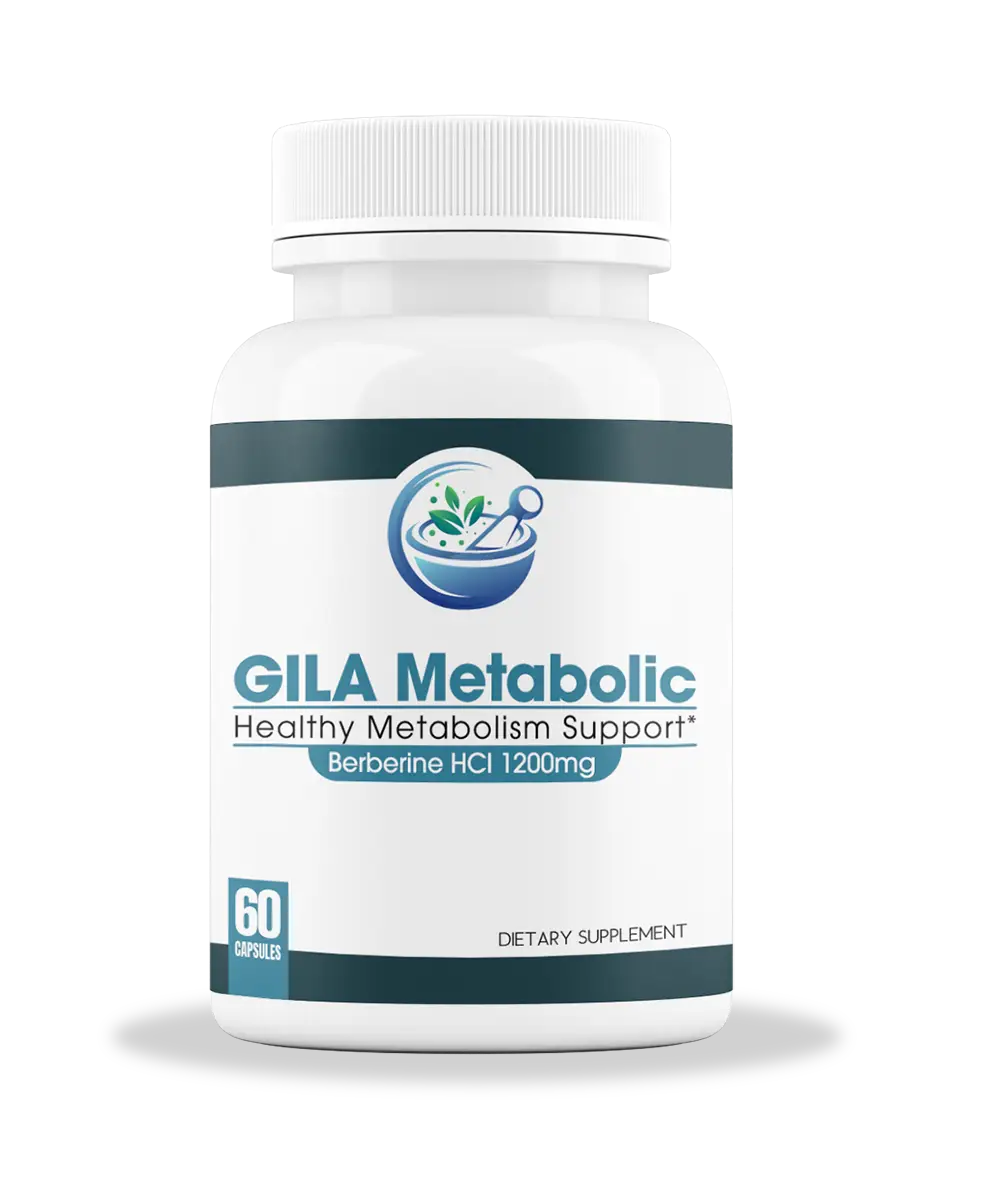
That’s why we formulated GILA Metabolic, a highly bioavailable berberine supplement designed to support healthy glucose metabolism.
Final Thoughts
Most people receive oversimplified advice about carbs, diabetes, and blood sugar. But the body isn’t simple; it’s adaptive, intelligent, and constantly negotiating between survival and overload.
Staying informed and listening to your body doesn’t just improve long-term health; it can actually be fascinating.
Have questions about blood sugar, insulin, supplements, or how this science applies to your own health?
We’re always happy to help! Reach out through our Contact Us page or explore more pharmacist-written insights at our blog, Behind The Counter: Insights From A Pharmacist. We believe informed choices are the foundation of long-term wellness.
Be well,
Pharmacist Eddie

References
DeFronzo RA. Pathogenesis of type 2 diabetes mellitus. Med Clin North Am.
Ferrannini E. Definition of interventions targeting insulin resistance.
Drucker DJ. GLP-1 physiology and therapeutic use. Cell Metabolism.
ADA Standards of Care 2024.
UKPDS & ACCORD renal outcome data.
Acarbose Study Group. STOP-NIDDM Trial.
Continue Learning About Metabolic Health
- Hidden Ways Sugar Quietly Damages
- Hidden Sugar, Part 3: The Everyday Foods Raising Your A1C
- Berberine Decoded: A Pharmacist's Guide to Metabolic, Cholesterol & Gut Health
← Explore the Metabolic Health Hub
Medical Disclaimer
The information provided in this article is intended for educational purposes only and should not be considered medical advice. It is not intended to diagnose, treat, cure, or prevent any disease, or to replace the advice of your physician or other qualified healthcare provider.
Always consult your healthcare provider before making changes to your diet, exercise routine, medications, or supplement regimen, especially if you have a medical condition, are pregnant or nursing, or take prescription medications.
Individual health needs vary, and the information presented may not be appropriate for every person.