
Hidden Sugar, Part 3: The Everyday Foods Raising Your A1C
By Eddie Khoriaty, BPharm, R.Ph., C.Ph.
This article is part of our Hidden Sugar series:
Part 1: Hidden Ways Sugar Quietly Damages You
Part 2: Hidden Sugar, Part 2: The Science Most People Never Hear
If your A1C is higher than expected, you’re not alone, and you’re probably not doing anything “wrong.” As a pharmacist, one of the most common things I hear is: “I don’t eat sugar, so I don’t understand why my A1C keeps going up.” Most of the time, patients are telling the truth.
No soda. No candy. No desserts.
The issue isn’t always obvious sugar.
It’s hidden sugar, and foods that act like sugar once they’re inside your body.
Let’s talk about where it sneaks in, why it matters for A1C, and how you can better understand what food is actually doing inside your body.
Why Hidden Sugar Matters for A1C
Your A1C reflects your average blood glucose over about three months, not just your fasting number or occasional spikes.
That means it’s influenced by:
- Small glucose elevations that happen every day
- Mild spikes after “normal” meals
- Foods you eat repeatedly without thinking
Over time, these patterns can slowly push your A1C higher, even if your diet looks healthy on the surface.
“Healthy” Breakfast Foods That Spike Blood Sugar
Breakfast is one of the most overlooked A1C trouble spots.
Foods that sound wholesome often contain more sugar than people realize, including:
- Flavored oatmeal packets
- Granola and granola bars
- Yogurt with fruit on the bottom
- Breakfast cereals labeled “whole grain” or “heart healthy”
Many of these contain 10–25 grams of added sugar per serving, and that’s before coffee creamer or juice even enters the picture.
Pharmacist tip: Plain oatmeal, eggs, or plain Greek yogurt with added protein or fiber will cause a much slower glucose rise.
Sauces, Dressings, and Condiments: The Silent Offenders
Sugar hides especially well in foods that don’t taste sweet. Common culprits include:
- Ketchup and barbecue sauce
- Teriyaki and stir-fry sauces
- Salad dressings (especially fat-free varieties)
- Honey mustard, sweet chili sauce, and marinades
A tablespoon here doesn’t seem like much, but when it’s used multiple times per day, it adds up quickly. If you’ve ever wondered why your blood sugar is high after a salad, this is often why.
Drinks That Raise A1C Without Feeling Like Sugar
Liquid sugar raises blood glucose faster than solid food because there’s no fiber to slow absorption. Even people who avoid soda often drink:
- Fruit juice (including 100% juice)
- Smoothies and smoothie bowls
- Sweetened coffee drinks
- Flavored waters, teas, or sports drinks
From a blood sugar standpoint, juice and soda aren’t very different.
Bottom line: If you can drink it quickly, your glucose can rise just as quickly.
“Low-Fat” and “Sugar-Free” Foods Aren’t Always Blood-Sugar Friendly
When fat is removed, sugar or refined carbs usually take its place.
When sugar is removed, ingredients that spike glucose often remain.
Watch out for:
- Fat-free yogurt
- Low-fat peanut butter
- “Sugar-free” snacks made with maltodextrin or starches
- Protein bars marketed as diabetic-friendly
Your blood sugar doesn’t respond to what the front label says, it responds to total carbohydrates and how quickly they’re absorbed.
Refined Carbs That Act Just Like Sugar
Some foods don’t contain added sugar but still raise glucose aggressively.
Examples include:
- White bread and bagels
- Crackers and pretzels
- White rice
- Pasta
- Rice cakes
Your body breaks these down into glucose very quickly, sometimes almost as fast as table sugar. This is why someone can “cut out sugar” and still see their A1C climb.
“Healthy” Snacks with a Sugar Halo
Marketing matters, and it can often be misleading.
Foods like:
- Energy bars
- Trail mix
- Dried fruit
- Flavored nuts
Often combine sugar and refined carbs, which is a tough combination for blood sugar control, especially when portion sizes are larger than expected.
How a Continuous Glucose Monitor (CGM) Can Be a Game Changer
Here’s where many people gain real clarity. A continuous glucose monitor (CGM) allows you to see how your body responds to food in real time, not averages or assumptions.
With a CGM, many people are surprised to learn:
- Certain “healthy” foods spike their glucose more than dessert
- Portion size matters more than expected
- The same food can affect different people very differently
I experienced this firsthand. Foods I assumed were “safe” didn’t always produce the readings I expected. Even more surprisingly, my wife could eat the same foods and have completely different results.
That’s because insulin sensitivity and carbohydrate metabolism vary widely from person to person.
Instead of guessing, a CGM lets you see:
- How high your glucose rises after a meal
- How long it stays elevated
- Which food combinations work best for you
For people struggling to lower A1C despite “doing everything right,” this kind of feedback can be incredibly empowering. It was for me, and I thought I knew everything about sugar and the metabolism of carbohydrates.
What Actually Helps Lower A1C Long-Term
You don’t need perfection. You need awareness and consistency.
Focus on:
- Reading labels for total carbohydrates and added sugars
- Pairing carbs with protein, fat, or fiber
- Limiting liquid calories
- Reducing ultra-processed foods
- Understanding your glucose patterns, not someone else’s diet plan
For some people, lifestyle changes alone aren’t enough to bring glucose into range. In those cases, targeted metabolic support may be helpful. Berberine has been studied for its role in supporting healthy glucose metabolism and insulin sensitivity. We formulated GILA Metabolic with berberine to support these pathways as part of a comprehensive, food-first approach.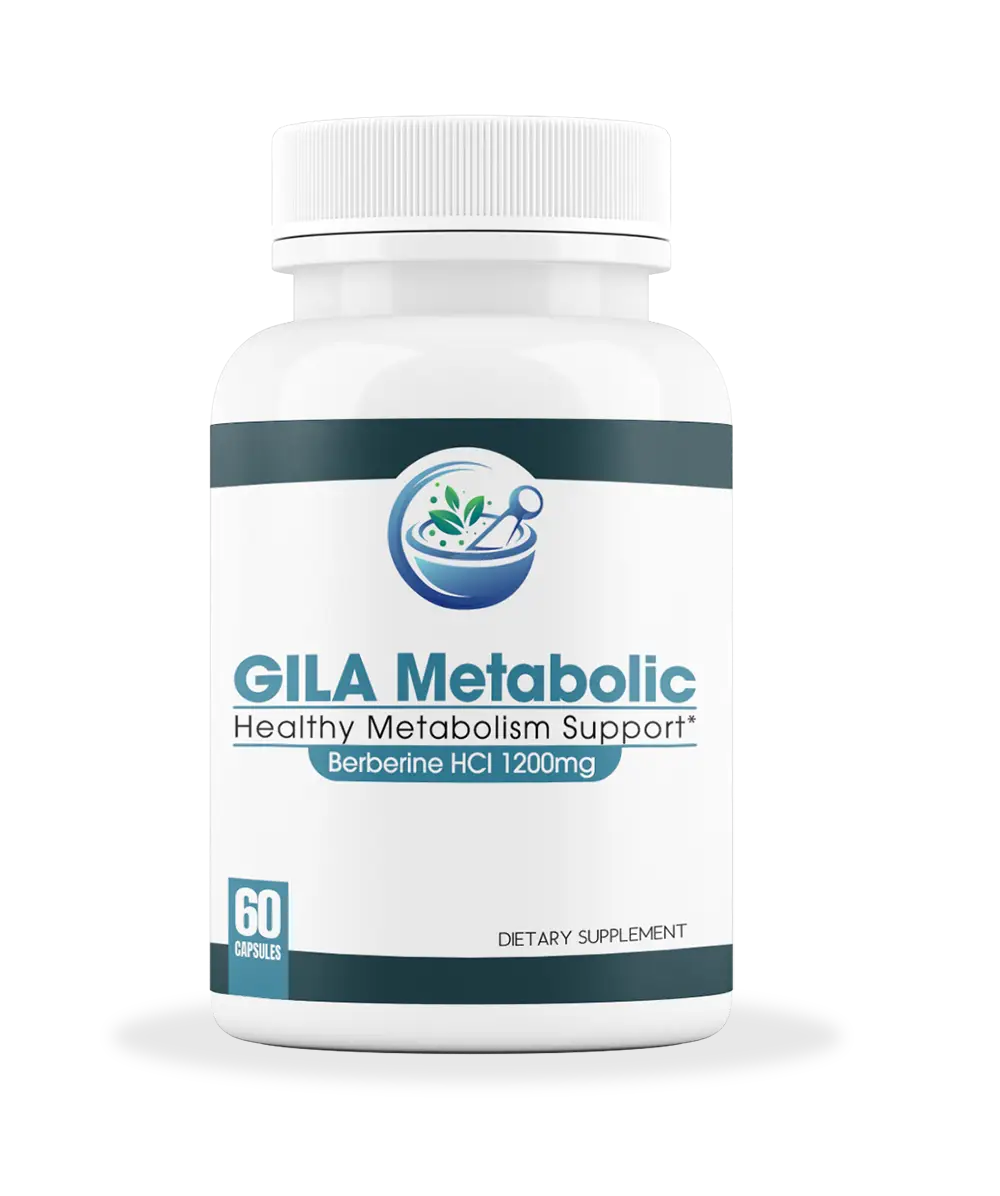
Final Pharmacist Takeaway
If your A1C isn’t improving, the issue often isn’t dessert, it’s the everyday foods you never suspected.
Hidden sugar doesn’t always taste sweet.
But your A1C absolutely notices it over time.
If you want real clarity, seeing your glucose response in real time can be a powerful next step.
Be Well,
Pharmacist Eddie

References
- American Diabetes Association. Standards of Care in Diabetes: Nutrition Therapy and Glycemic Targets.
- Centers for Disease Control and Prevention (CDC). Diabetes and Prediabetes: Blood Sugar and A1C.
- Harvard T.H. Chan School of Public Health. Carbohydrates and Blood Sugar.
- Evert AB et al. Nutrition Therapy for Adults with Diabetes or Prediabetes. Diabetes Care.
- Ludwig DS. The Glycemic Index: Physiological Mechanisms Relating to Obesity, Diabetes, and Cardiovascular Disease. JAMA.
Continue Learning About Metabolic Health
- Hidden Ways Sugar Quietly Damages
- Hidden Sugar, Part 2: The Science Most People Never Hear
- The Pharmacist's Guide to Choosing the Right Berberine Supplement
← Explore the Metabolic Health Hub
The information in this article is provided for educational purposes only and is not intended as medical advice. Always consult your healthcare provider before starting any dietary supplement, especially if you have a medical condition, are pregnant or nursing, or take prescription medications.