
Magnesium Glycinate: What the Research Says About Sleep, Stress, and Muscle Recovery
By Eddie Khoriaty, BPharm, R.Ph., C.Ph.
Magnesium is one of the most important minerals in the human body. It serves as a cofactor in more than 300 enzymatic reactions involved in energy production, muscle contraction, nerve function, protein synthesis, blood glucose regulation, and cardiovascular health. Despite its vital role, magnesium intake remains below recommended levels for many adults.
While magnesium is involved in hundreds of important processes throughout the body, different forms are absorbed differently and may be better suited for different goals. Magnesium glycinate has become one of the most popular choices because it combines excellent absorption with a lower risk of digestive side effects.

Glycine is an amino acid involved in several normal functions throughout the body and is also known for its calming properties. While most of magnesium glycinate's benefits come from correcting magnesium deficiency, glycine may contribute to the supplement's reputation as a good choice for relaxation and sleep support.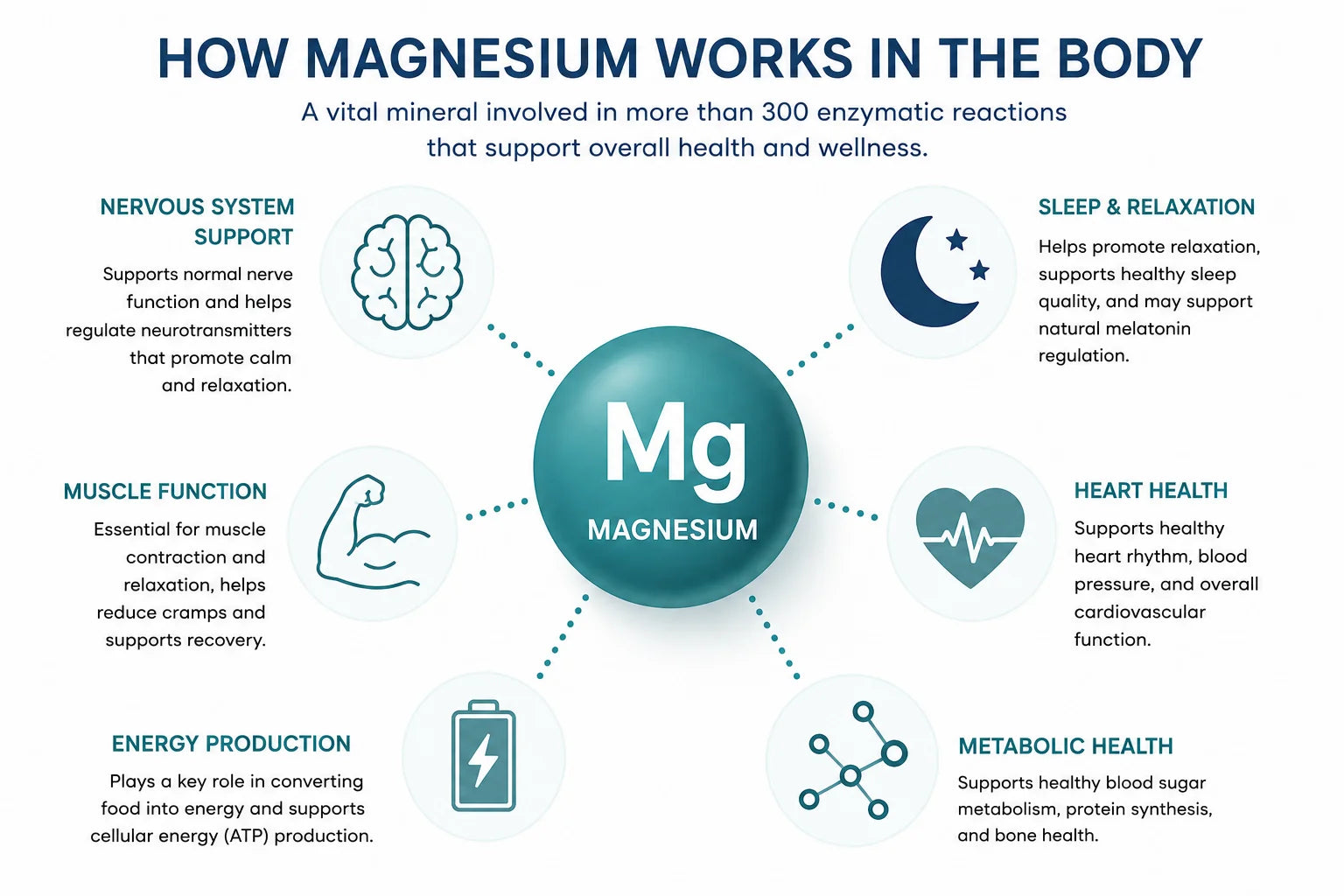
What Is Magnesium Glycinate?
Magnesium glycinate (also called magnesium bisglycinate) is a chelated form of magnesium created by binding elemental magnesium to the amino acid glycine. This specific combination improves absorption while reducing the gastrointestinal side effects commonly associated with other magnesium supplements. 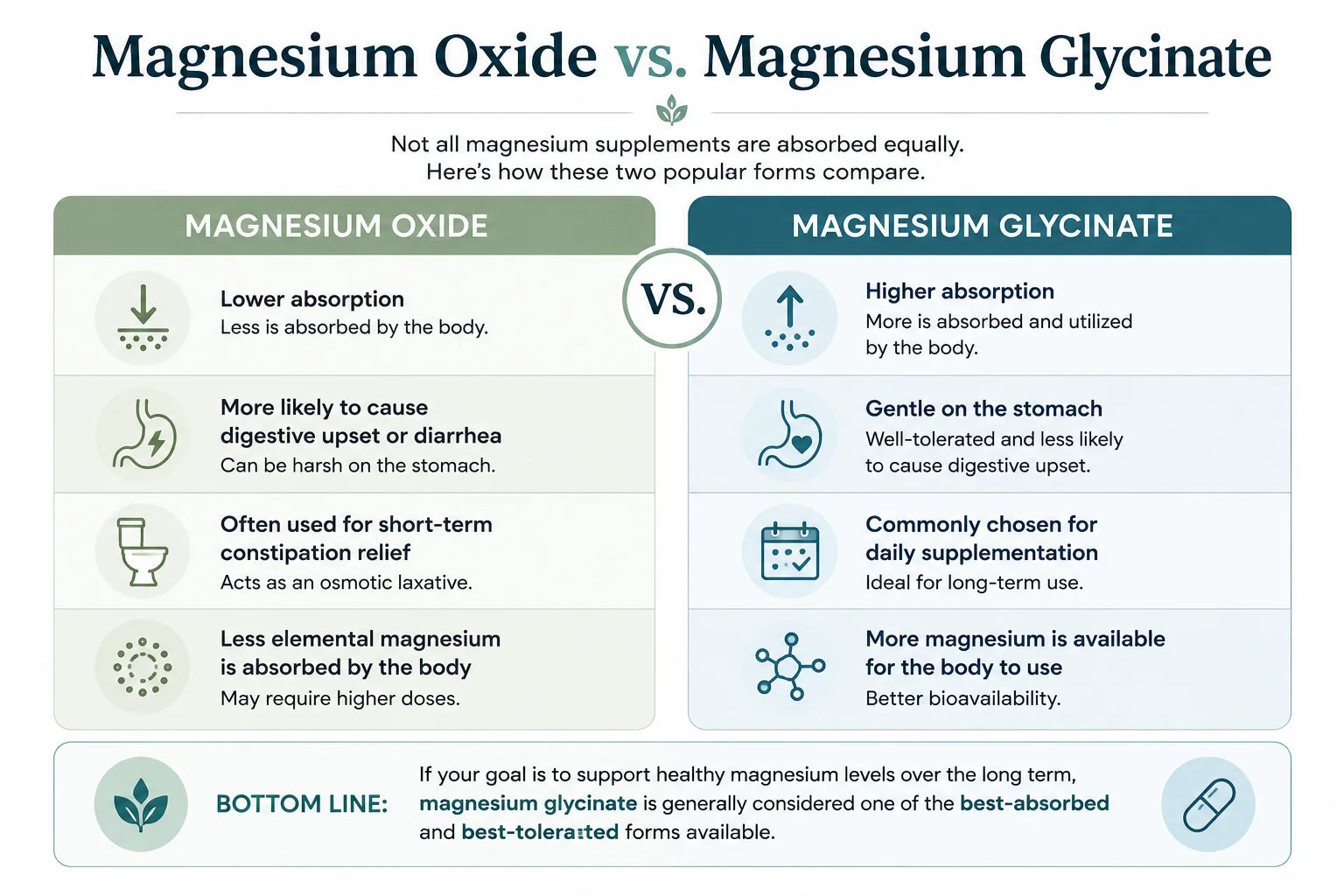
Poorly absorbed forms may deliver large amounts of magnesium on the label but contribute less usable mineral to the body. They also increase the likelihood of digestive issues. Because glycine acts as a carrier molecule, magnesium glycinate is generally well tolerated and far less likely to cause diarrhea than magnesium oxide or high-dose magnesium citrate.
 If you decide magnesium glycinate is right for you, choosing a high-quality supplement with clearly labeled elemental magnesium is important. GILA Rest was formulated with these same principles in mind, providing a well-absorbed form of magnesium that's gentle on the digestive system.
Magnesium and Sleep: What Does the Research Say?
Magnesium has gained significant attention as a natural sleep-supporting nutrient. Several key mechanisms explain this relationship:
- Nervous System Regulation: It supports normal nervous system regulation and helps regulate neurotransmitters involved in relaxation.
- Circadian Rhythm: It contributes to healthy circadian rhythm function.
- Muscle Relaxation: It actively promotes muscle relaxation.
- Melatonin Support: It may support natural melatonin regulation.
Recent clinical data backs this up. A 2025 randomized controlled trial involving adults with poor sleep quality found that magnesium bisglycinate supplementation produced modest improvements in insomnia severity scores compared with a placebo. Additionally, a 2024 review evaluating magnesium supplementation for anxiety and insomnia concluded that magnesium may be useful for mild anxiety and sleep difficulties, particularly in individuals with a low baseline magnesium status.
The National Center for Complementary and Integrative Health notes that while existing studies show encouraging results, larger and higher-quality clinical trials are still needed.
The Bottom Line: Overall, the current evidence suggests magnesium glycinate may support healthy sleep, especially in individuals who are magnesium deficient or have inadequate dietary intake. However, it should not be viewed as a replacement for proper sleep hygiene or medical evaluation when appropriate.
Stress, Mood, and Anxiety Support
Magnesium plays a critical role in nervous system function. Low magnesium levels have been associated with increased stress responses and various neurological conditions. Researchers have even proposed a "stress-magnesium cycle" where stress increases magnesium losses, while the resulting magnesium deficiency worsens stress sensitivity.
Magnesium is also involved in neurotransmitter pathways that influence mood, including serotonin regulation. Several clinical studies have reported improvements in subjective anxiety measures following magnesium supplementation.
Furthermore, glycine itself may contribute additional calming effects. This is one reason magnesium glycinate is frequently chosen over other magnesium forms when the primary goal is relaxation and stress management.
Exercise Recovery and Muscle Function
Athletes and active individuals often supplement with magnesium because of its role in muscle contraction, energy metabolism, electrolyte balance, protein synthesis, and neuromuscular signaling.
Magnesium deficiency has been associated with increased muscle cramping, fatigue, and impaired recovery. Since magnesium glycinate is well absorbed and easy on the digestive system, it is commonly used by individuals engaged in resistance training and endurance exercise to support muscle function and recovery after exercise.
Heart and Metabolic Health
Adequate magnesium status has been linked to healthy blood pressure regulation, glucose metabolism, vascular function, and cardiac rhythm maintenance. While magnesium glycinate is not a treatment for cardiovascular disease, maintaining sufficient magnesium intake may contribute to overall long-term cardiometabolic health.
How Much Magnesium Glycinate Should You Take?
Many studies evaluating magnesium supplementation use doses providing approximately 200 to 400 mg of elemental magnesium daily. Some individuals may require more or less depending on age, diet, medications, and health status.
Label Tip: When reviewing supplement labels, remember that the total amount of magnesium glycinate compound listed is not always the same as the actual weight of elemental magnesium. Check the supplement facts panel for the exact elemental value.
Want to get better at comparing products? Learn how to read a supplement label and identify the numbers that actually matter.
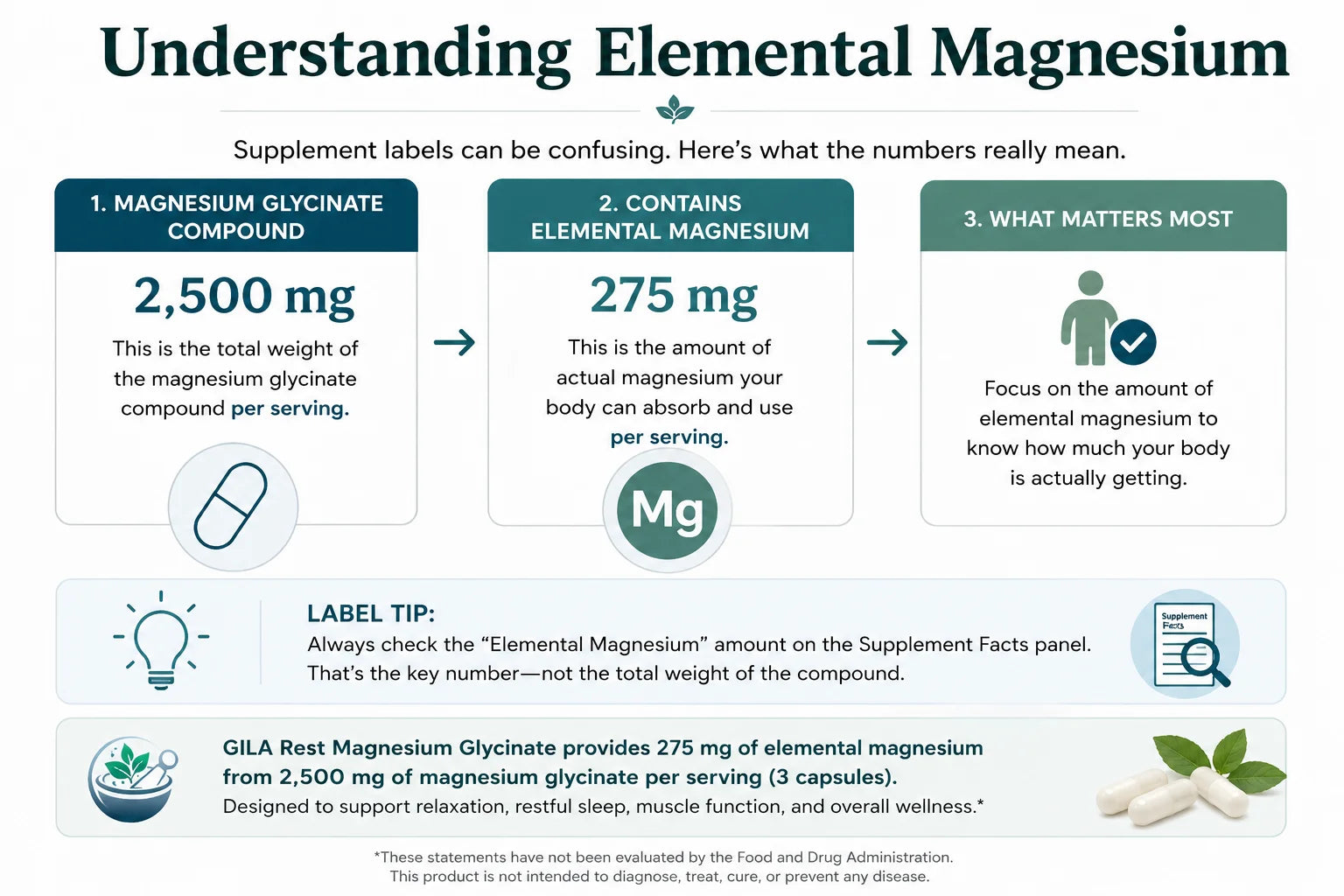
Not sure what "elemental magnesium" means on supplement labels? Read our guide "What is Elemental Magnesium" to learn how to compare magnesium supplements with confidence.
Safety and Considerations
Magnesium glycinate is generally considered one of the most well-tolerated magnesium forms available. However, keep the following in mind:
- Potential Side Effects: These may include mild gastrointestinal discomfort, bloating, loose stools (which are less common than with other forms), and nausea at very high doses.
-
Kidney Health: Individuals with significant kidney disease should consult a healthcare professional before using any magnesium supplements, because excess magnesium may accumulate when kidney function is impaired.
Frequently Asked Questions
Is magnesium glycinate better than other forms of magnesium?
It depends on your goal, but for most people, magnesium glycinate is one of the better-tolerated and better-absorbed options available. As covered above, forms like magnesium oxide and high-dose magnesium citrate can deliver more magnesium on paper but are more likely to cause loose stools, which limits how much the body actually absorbs and uses. Magnesium glycinate's binding to glycine helps it absorb more efficiently while being gentler on digestion, which is why it's often recommended when the priority is relaxation, sleep, or muscle recovery rather than a quick laxative effect.
How long does it take for magnesium glycinate to help with sleep?
This varies by individual, but many people report noticing a difference within one to two weeks of consistent use, particularly if their sleep difficulties were related to a magnesium shortfall to begin with. Magnesium isn't a sedative, so it typically won't produce an immediate, noticeable effect the way a sleep medication might. It works more gradually, by supporting the underlying nervous system and muscle relaxation processes involved in healthy sleep. Giving it a few weeks of consistent use is a reasonable way to evaluate whether it's helping.
Can I take magnesium glycinate every day?
For most healthy adults, yes, daily use is how magnesium glycinate is typically taken, since magnesium is a mineral the body needs on an ongoing basis rather than something used occasionally. That said, "every day" doesn't mean "any amount every day." It's worth staying within the dosage discussed above and checking with your healthcare provider first if you have kidney disease, take medications that interact with magnesium, or are pregnant or nursing.
Does magnesium glycinate help with anxiety, or just sleep?
Both, potentially, though the research is stronger for sleep than for anxiety specifically. As discussed earlier, magnesium plays a role in nervous system regulation and neurotransmitter pathways connected to mood, and several studies have reported improvements in subjective anxiety measures with magnesium supplementation. Glycine itself is also thought to have calming properties. That said, magnesium glycinate isn't a treatment for clinical anxiety disorders, and anyone dealing with significant anxiety should talk with a healthcare provider about a complete treatment plan.
Looking for more pharmacist-written wellness resources? Visit our Healthy Aging Hub for additional articles on healthy aging, muscle health, nutrition, and longevity.
Our Verdict
If your goal is overall magnesium replenishment, stress support, muscle recovery, or improved sleep quality, magnesium glycinate is among the most evidence-supported and best-tolerated forms you can choose.
While no supplement is a cure-all, the combination of high bioavailability, excellent gastrointestinal tolerability, and emerging research makes it a compelling option. If you are ready to add a premium version to your nighttime routine, GILA Rest provides a highly absorbable form of magnesium designed to help support healthy magnesium levels as part of your daily wellness routine.
Ready to support better sleep, relaxation, and muscle recovery with one of the most well-absorbed forms of magnesium?
Be well,
Pharmacist Eddie

References
- NIH Office of Dietary Supplements. Magnesium Fact Sheet for Health Professionals. 2026.
- Rawji A, et al. Examining the Effects of Supplemental Magnesium on Self-Reported Anxiety and Insomnia. 2024.
- Schuster J, et al. Magnesium Bisglycinate Supplementation in Healthy Adults Reporting Poor Sleep Quality. 2025.
- National Center for Complementary and Integrative Health (NCCIH). Magnesium Supplements for Sleep Disorders.
- Fatima G, et al. Magnesium Matters: A Comprehensive Review of Its Vital Functions and Therapeutic Applications. 2024.
- Cepeda V, et al. Unlocking the Power of Magnesium: A Systematic Review of Bioavailability and Clinical Applications. 2025.
- Pickering G, et al. Magnesium Status and Stress: The Vicious Circle Concept Revisited. 2020.
- Mah J, et al. Oral Magnesium Supplementation for Insomnia in Older Adults: A Systematic Review and Meta-Analysis. 2021.
The information in this article is provided for educational purposes only and is not intended as medical advice. Always consult your healthcare provider before starting any dietary supplement, especially if you have a medical condition, are pregnant or nursing, or take prescription medications.