
Is NMN Worth the Hype? The Ultimate Guide to NAD+ and Aging
By Eddie Khoriaty, BPharm, R.Ph., C.Ph.
As a clinical pharmacist with experience spanning retail, hospital, human, and veterinary medicine since the mid-1990s, my career has been built on evidence-based practice. I maintain active licensure in more than 30 states, a responsibility that requires ongoing clinical competence and adherence to the highest professional standards.
That commitment means I cannot rely on hype, trends, or marketing claims when evaluating health products and wellness topics. My responsibility to patients is to examine the evidence, separate fact from fiction, and follow the science wherever it leads.
Few compounds have generated as much interest in the healthy aging space recently as Nicotinamide Mononucleotide (NMN). Researchers, healthcare professionals, and consumers alike have become increasingly interested in its potential role in supporting cellular energy, vitality, and healthy aging.
To understand why NMN has attracted so much attention, we first need to examine a critical molecule that powers virtually every cell in the body: NAD+.
The Cellular Engine: What Is NAD+?
Nicotinamide Adenine Dinucleotide (NAD+) is an essential coenzyme found in every living cell. It plays two critical roles in human physiology:
Cellular Energy Production
NAD+ functions as a key electron carrier within the mitochondria, helping convert the carbohydrates, fats, and proteins we consume into Adenosine Triphosphate (ATP), the body's primary energy currency.
Cellular Maintenance and Repair
NAD+ serves as a required substrate for several important enzyme systems, including sirtuins and PARPs. These enzymes help regulate cellular health, support normal gene expression, maintain mitochondrial function, and assist in the repair of damaged DNA.
As I reviewed the aging literature, one finding appeared again and again: NAD+ levels naturally decline over time. Studies have shown that NAD+ concentrations decrease in multiple tissues as we age, a change associated with reduced mitochondrial function, lower energy production, and age-related metabolic changes.
This decline has led researchers to investigate ways of supporting healthy NAD+ levels. Because NAD+ itself is not efficiently utilized when taken orally, attention has shifted toward precursor molecules that the body can readily convert into NAD+.
Nicotinamide Mononucleotide (NMN) has emerged as one of the most widely studied NAD+ precursors. After absorption, NMN enters the body's natural NAD+ biosynthesis pathway, where it is converted into NAD+ and becomes available for cellular energy production and other essential biological functions.
What the Clinical Data Actually Supports… and What It Doesn't
When evaluating any supplement, it is important to distinguish between findings that have been demonstrated in human clinical trials and outcomes that remain theoretical, preliminary, or supported primarily by animal research. NMN is no exception.
What Human Studies Support
Increased NAD+ Levels
If there's one thing the NMN research has consistently shown, it's that oral NMN reliably increases NAD+ levels in humans. Multiple randomized, placebo-controlled studies have demonstrated that NMN is effectively absorbed and utilized by the body as a precursor to NAD+.
Metabolic Health and Insulin Sensitivity
A notable randomized controlled trial published in Science examined NMN supplementation in postmenopausal women with prediabetes. Researchers observed improvements in skeletal muscle insulin sensitivity and insulin signaling pathways, suggesting a potential role for NMN in supporting healthy metabolic function. As a pharmacist, this caught my attention because insulin sensitivity is one of the most important factors influencing long-term metabolic health.
Physical Performance and Aerobic Capacity
Several human studies have reported improvements in measures of physical performance following NMN supplementation. Research involving middle-aged adults and recreational runners has demonstrated enhancements in aerobic capacity, oxygen utilization, and walking endurance, with some studies showing dose-dependent effects.
Favorable Short-Term Safety Profile
Human clinical trials conducted to date have generally found NMN to be well tolerated. Reported adverse effects have been minimal, and available evidence supports a favorable short-term safety profile at commonly studied doses.
What Remains Uncertain
Lifespan Extension and "Anti-Aging" Claims
Much of the excitement surrounding NMN originated from animal studies, where boosting NAD+ levels has been associated with improvements in several markers of aging and, in some cases, increased lifespan. However, there is currently no clinical evidence demonstrating that NMN extends human lifespan or reverses the aging process. This is where many online discussions get ahead of the science. The human data is promising, but promising and proven are not the same thing.
Treatment of Chronic Disease
NMN should not be viewed as a treatment or cure for chronic medical conditions. While emerging research suggests potential benefits for metabolic health and cellular function, NMN is not a substitute for evidence-based medical care or prescribed therapies.
Long-Term Human Safety and Outcomes
Although short-term studies have shown encouraging safety results, long-term data on continuous NMN supplementation over multiple years remain limited. Additional research is needed to better understand the long-term effects, optimal dosing strategies, and potential clinical benefits of sustained use.
My Professional Assessment
After reviewing the available human studies, my assessment is that NMN is a promising NAD+ precursor with measurable effects on NAD+ levels, metabolic function, and physical performance. At the same time, many of the more ambitious claims surrounding longevity and age reversal remain unproven in humans.
As pharmacists and healthcare professionals, our responsibility is to follow the evidence, not the headlines. The current research on NMN is encouraging, but it is important to remain scientifically grounded while larger and longer-term human studies continue to emerge.
Dosing: What Does the Research Suggest?
Human clinical trials have evaluated oral NMN doses ranging from approximately 100 mg to 1,200 mg per day. While studies consistently demonstrate that NMN can increase NAD+ levels, researchers continue to investigate which dosing strategies provide the greatest clinical benefit.
One frequently cited dose-response study published in GeroScience found that a daily dose of 300 mg was sufficient to increase NAD+ levels. However, improvements in measures of physical performance, aerobic capacity, and overall well-being were more pronounced at doses ranging from 600 mg to 900 mg per day.
One mistake I frequently see is the assumption that more is always better. In reality, the goal is to identify a dose that is supported by clinical evidence, well tolerated, and appropriate for an individual's health goals. When comparing NMN products, knowing how to read a supplement label can also help you determine how much you're actually getting per serving rather than relying on the number displayed on the front of the bottle.
Why Product Quality Matters
After decades of evaluating medications and supplements, one lesson I've learned is that product quality matters just as much as the ingredient itself. Research has shown that some dietary supplements may contain less active ingredient than stated on the label or may experience degradation over time if manufacturing and storage standards are inadequate.
This is particularly important for NMN, as product purity, stability, and quality control can directly influence the amount of active ingredient ultimately delivered to the consumer.
When evaluating an NMN supplement, I recommend looking for manufacturers that emphasize third-party testing, transparent quality standards, and careful sourcing of ingredients.
My Recommendation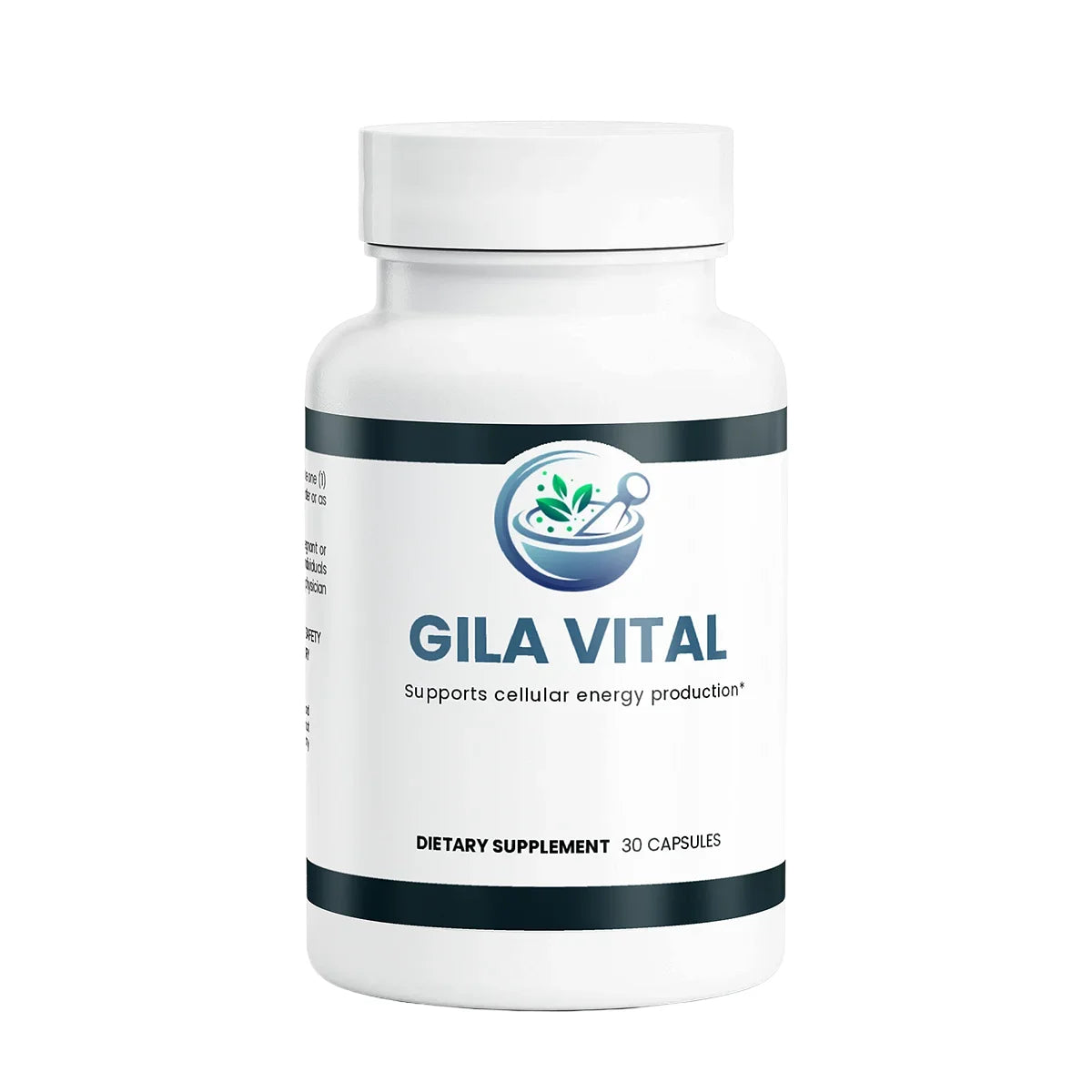
For individuals interested in supporting healthy NAD+ levels as part of an overall wellness and healthy aging strategy, a high-quality NMN supplement may be worth considering.
At GLowPure, we selected a high-purity NMN ingredient for GILA Vital because it aligns with the standards I look for as a pharmacist: transparency, quality manufacturing practices, and a formulation designed to deliver the labeled amount of NMN consistently.
As with any dietary supplement, NMN should be viewed as one component of a broader approach to health that includes proper nutrition, regular physical activity, adequate sleep, and ongoing medical care when appropriate.
The Bottom Line
NMN is among the most promising compounds currently being studied in the field of healthy aging and cellular health. Human clinical trials have demonstrated that NMN can reliably increase NAD+ levels and may support metabolic function, physical performance, and overall vitality.
At the same time, it is important to maintain realistic expectations. While the current evidence is encouraging, NMN has not been proven to extend human lifespan, reverse aging, or cure chronic disease. Larger and longer-term studies will help clarify its full clinical potential in the years ahead.
As a pharmacist, my responsibility is to follow the evidence for you, not the headlines. NMN appears to be a well-tolerated and scientifically grounded option for individuals interested in supporting healthy NAD+ levels as part of a comprehensive wellness strategy.
As with any dietary supplement, individuals who are pregnant, nursing, taking prescription medications, or managing chronic health conditions should consult their healthcare provider or pharmacist before beginning supplementation.
Interested in learning more?
If you're looking for a high-quality NMN supplement, I invite you to take a look at GILA Vital. It's formulated with 500 mg of high-purity NMN per capsule and reflects the same quality standards I look for as a pharmacist.
Be well,
Pharmacist Eddie

Continue Learning About Healthy Aging
- Sarcopenia: Why We Lose Muscle as We Age
- Understanding Inflammaging: The Hidden Accelerator of Aging
- The Science of Longevity: What We Know Today About Living Longer
← Explore the Healthy Aging Health Hub
References
Yoshino, J., et al. (2021). Nicotinamide mononucleotide increases muscle insulin sensitivity in prediabetic women. Science, 372(6547), 1224–1229.
Yi, L., et al. (2022). The efficacy and safety of β-nicotinamide mononucleotide (NMN) supplementation in healthy middle-aged adults: a randomized, multicenter, double-blind, placebo-controlled, parallel-group, dose-dependent clinical trial. GeroScience, 44(6), 2751–2763.
Poddar, S., et al. (2023). A Systematic Review of Human Clinical Trials of Nicotinamide Mononucleotide (NMN). Journal of Advanced Research.
Liao, B., et al. (2021). Nicotinamide mononucleotide supplementation enhances aerobic capacity in amateur runners: a randomized, double-blind study. Journal of the International Society of Sports Nutrition, 18(1), 54.
The information in this article is provided for educational purposes only and is not intended as medical advice. Always consult your healthcare provider before starting any dietary supplement, especially if you have a medical condition, are pregnant or nursing, or take prescription medications.