
When to Stop Losing Weight on GLP-1s (And How to Know You’re There)
By Eddie Khoriaty, BPharm, R.Ph., C.Ph.
The rise of GLP-1 medications like semaglutide and tirzepatide has transformed weight management from an uphill battle into a more manageable journey. But because these medications are so effective at suppressing appetite, a new challenge has emerged: knowing when to stop losing weight.
Preventing "overdoing it" is crucial for long-term metabolic health, bone density, and mental well-being. So how do you know when you’ve reached a healthy finish line?
It may sound straightforward, but it’s not always easy to recognize in real life. As we navigated our own weight loss and fitness journey, we realized there’s a potential blind spot that many people, including us, can miss.
We haven't been that thin since our high school days. Yet when we looked at our Easter Sunday family photos this past weekend, we both turned to each other and almost at the same time said: "I look fat in that photo."
If you're new to these medications, start with our pharmacist's guide to GLP-1 medications.
Shifting your Focus from the Scale to Vital Signs
While the "goal weight" is often a number we’ve held in our heads for years, your body's internal data is a far better indicator of your success.
You may have reached a healthy stopping point if:
Your metabolic markers have stabilized:
Blood pressure, fasting glucose, and cholesterol levels have moved into the healthy range and are staying there.
Your body composition is balanced:
Rather than focusing on total weight, consider body fat percentage and muscle mass. Losing too much weight, especially too quickly, can lead to muscle loss (sarcopenia), which may slow metabolism and negatively affect long-term health. Preserving muscle is just as important as losing fat.
At a certain point, more weight loss is not better. Your body requires adequate calories to support brain function, mood, muscle maintenance, immune health, and even hormonal balance. Pushing beyond that point can leave you feeling depleted rather than healthier.
Your energy and overall well-being matter:
If you’re feeling persistently tired, weak, or mentally foggy, your body may be signaling that it needs more nutrition. The goal of weight loss is to improve energy and health, not to feel chronically drained.
It’s also important to stay grounded in why you started. Body image can be distorted during periods of rapid change, and body dysmorphia is a very real risk when the focus remains solely on “losing more.”
GLP-1 medications work by slowing gastric emptying and signaling fullness to the brain. While this is highly effective, it can also make it easier to unintentionally under-eat. If you’re experiencing ongoing fatigue, lightheadedness, or brain fog, it may be a sign that your caloric intake is no longer sufficient to support your body’s needs.
Physical and Behavioral Signals You May Be Going Too Far
Changes in facial volume and muscle tone:
A noticeably “gaunt” appearance (sometimes referred to as "Ozempic Face") can be a sign of rapid fat and muscle loss. If you’re seeing a sharp decline in skin elasticity and muscle tone, it may be time to shift toward a maintenance phase rather than continuing to lose weight.
Evaluate Your Relationship with Food
The goal of GLP-1 therapy is to eliminate "food noise," not to eliminate enjoyment of eating altogether.
Signs you may be undernourished:
Difficulty meeting basic nutritional needs
If you’re consistently unable to consume enough protein or essential nutrients to support daily function, your intake may be too low.
Strong food aversion
If eating feels unpleasant, or you’re skipping meals entirely because you’re not hungry for extended periods, your current dose may be too high for your body’s needs.
Weight loss with GLP-1 therapy is not meant to be a continuous downward trajectory. “Enough” is often the point where you can maintain your progress while supporting your overall health.
Transitioning to a Maintenance Phase
This may include:
- Spacing out doses: Extending from every 7 days to every 10-14 days
- Reducing dosage: Using a lower dose that continues to control appetite without driving further weight loss
Hair Loss or Brittle Nails
May indicate inadequate protein intake or deficiencies in essential vitamins and minerals.
Loss of Strength
Suggests muscle loss rather than fat loss, which can negatively impact metabolism and long-term health.
Menstrual Irregularities (for women)
Can signal that body fat has dropped below a level needed to support healthy hormonal function.
Obsessive Tracking or Fixation on the Scale
Indicates a shift away from health-focused goals toward potential unhealthy behaviors or thought patterns.
If you recognize one or more of these signs, it may be time to pause weight loss and shift your focus toward maintenance and recovery.
The Bottom Line
"Enough" is the point where you have achieved meaningful health benefits with minimal side effects. It’s not about becoming as small as possible; it’s about being as strong, energized, and functional as possible for the long term.
Work closely with your healthcare provider to monitor key metrics, including lean body mass, to ensure you’re preserving muscle while improving overall health.
A practical tip:
If you’re unsure whether you’ve reached your ideal point, try maintaining your current weight for three months. If your health markers remain stable and your energy improves, you’ve likely found your "sweet spot."
Supporting Your Body During GLP-1 Therapy
GLP-1 medications—such as semaglutide and tirzepatide—create powerful metabolic changes. While highly effective for weight management, they often reduce overall calorie intake significantly. Over time, this can make it more difficult to meet your body’s nutritional needs, potentially leading to nutrient gaps.
Where Targeted Nutritional Support Can Help
GILA Renew was designed as a supportive companion for individuals experiencing these challenges, with a focus on maintaining overall wellness during periods of reduced intake.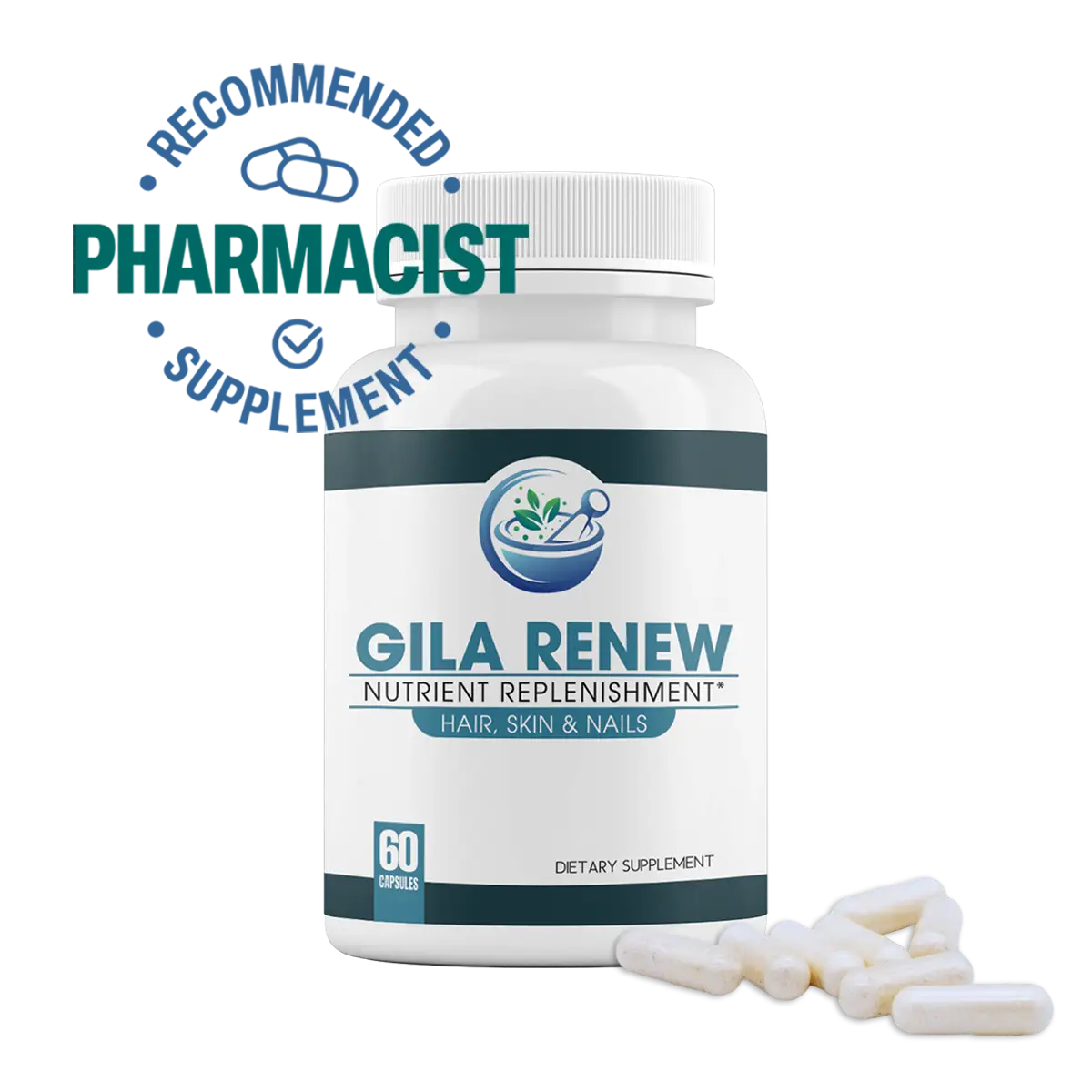
Helps support hair health during rapid weight loss
Periods of significant weight loss can sometimes trigger temporary hair shedding (telogen effluvium). Key nutrients such as biotin and zinc play a role in supporting normal hair structure and growth.
Supports nutritional balance
When intake is reduced, it can be harder to consistently meet daily requirements for essential vitamins and minerals. Targeted supplementation can help support overall nutritional status, particularly for nutrients commonly under-consumed.
Supports skin health and elasticity
Rapid changes in body composition can affect skin appearance. Nutritional support may help maintain skin integrity and overall appearance during this transition.
Pharmacist-guided formulation
Because GLP-1 medications slow gastric emptying, supplement quality and tolerability matter. GILA Renew is developed with a focus on ingredient quality, dosing considerations, and third-party testing to support those with sensitive digestive systems.
If you have questions, we’re always here to help. As a family-owned business, we combine clinical experience with personal insight. We don’t just recommend these approaches, we’ve lived them. You can also visit our Ask the Pharmacist Q&A page for answers to real questions from people navigating similar journeys.
Be well,
Pharmacist Eddie

Continue Learning About Metabolic Health
- Taking a GLP-1? Here Are 5 Side Effects Nobody Warned You About
- How the Gila Monster Revolutionized Appetite Control
- The Pharmacist's Guide to Choosing the Right Berberine Supplement
← Explore the GLP-1 Resource center
The information in this article is provided for educational purposes only and is not intended as medical advice. Always consult your healthcare provider before starting any dietary supplement, especially if you have a medical condition, are pregnant or nursing, or take prescription medications.
2 comments
Thanks so much for reading, Patricia. We’re really glad it helped answer some of your questions! If anything else comes up, we’re always here to help.
~ Pharmacist Eddie
Thanks for the article. It answered some of the questions I had.