
Protein: The Foundation of Muscle, Metabolism, and Healthy Aging
By Eddie Khoriaty, BPharm, R.Ph., C.Ph.
In the world of nutrition, carbohydrates and fats usually grab the headlines... and the most shelf space at the supermarket. But as a pharmacist, I see firsthand that protein is the nutrient doing the heavy lifting for nearly every system in your body.
Many patients focus so much on cutting calories or avoiding “bad” macros that they completely overlook whether they’re getting enough high-quality protein. That oversight is costly. Inadequate protein affects muscle health, metabolism, immune function, and your body’s ability to recover from illness or injury.
What Exactly Is Protein?
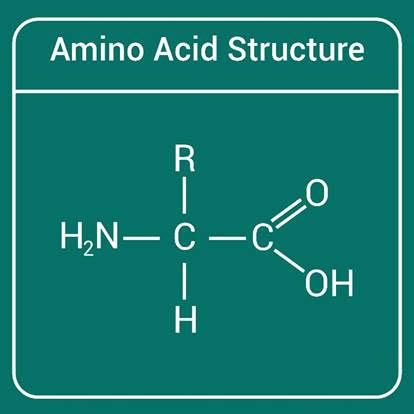
Think of protein as the “building blocks of life.” It’s made up of 20 amino acids. Nine of these are considered essential, meaning your body cannot produce them on its own, so you must obtain them from food.
These building blocks are required to:
- Repair muscle tissue after exercise or injury
- Produce enzymes and hormones that regulate your body’s systems
- Support a strong immune response
- Maintain healthy skin, hair, and nails
Without adequate protein, the body simply cannot perform these functions optimally.
If you enjoy a visual break from reading (I know I do), here’s a structural representation of an amino acid that illustrates just how foundational these molecules are.
It’s Not Just for Bodybuilders
One of protein’s most underappreciated roles is preserving lean muscle mass. Beginning around age 30, we naturally start to lose muscle in a gradual process known as sarcopenia. If protein intake is inadequate, that decline can accelerate.
Muscle loss isn’t simply a cosmetic concern. It directly impacts metabolic rate, blood sugar regulation, mobility, balance, and overall cardiovascular health. For older adults, higher protein intake isn’t just a “fitness goal,” it’s protective. It can make the difference between maintaining functional independence and gradually losing it. If you're actively losing weight, review strategies to preserve your muscle mass while reducing calories.
Protein is only one part of maintaining strength and mobility. Nutrients involved in bone health and healthy aging, including vitamin D3 and K2, also deserve attention.
The Blood Sugar Secret Weapon
Protein is also a powerful ally for metabolic health. It slows gastric emptying, meaning it helps moderate how quickly glucose enters the bloodstream after a meal.
When protein is paired with carbohydrates, it helps blunt rapid glucose spikes and promotes steadier energy levels. For individuals managing prediabetes, type 2 diabetes, or insulin resistance, prioritizing protein at meals can improve satiety and support more stable blood sugar patterns.
How Much Protein Do You Actually Need?
The current Recommended Dietary Allowance (RDA) for protein is 0.8 grams per kilogram of body weight per day. However, it’s important to understand what that number represents: it is the minimum amount required to prevent deficiency, not necessarily the amount that supports optimal health, muscle preservation, or metabolic resilience.
In practice, I often recommend higher intakes depending on age, activity level, and health goals.
General Protein Intake Targets:
- Sedentary / Baseline: 1.0 – 1.2 g/kg
- Active / Healthy Aging: 1.2 – 1.6 g/kg
- Resistance Training: 1.6 – 2.2 g/kg
For example, a 70 kg (154 lb) adult may benefit from approximately 70–110 grams of protein daily, depending on activity level and overall goals.
Pro Tip: Timing Matters
It’s not just how much protein you eat, it’s how you distribute it.
Consuming most of your protein at dinner is less effective than spreading it evenly throughout the day. Research shows that aiming for 20–40 grams of protein per meal helps stimulate muscle protein synthesis more efficiently.
Easier Said Than Done
Consistently hitting 100+ grams of protein per day can feel overwhelming at first. If you’re not used to prioritizing protein, it may seem like a full-time job.
The key isn’t willpower. It’s strategy.
Without a plan, most people default to convenient carbohydrates. A little structure goes a long way. Here's how to make higher protein intake more realistic:
Prep Ahead
Keep your refrigerator stocked with ready-to-go protein sources such as:
- Hard-boiled eggs
- Grilled chicken
- Greek yogurt
- Cottage cheese
- Pre-cooked lean meats
The 30-Gram Rule
Aim for approximately 25–40 grams of protein per meal.
If you reach that range at breakfast, lunch, and dinner, you’re already close to 75–120 grams per day without relying heavily on snacks.
Fill the Gap Strategically
If you fall short, a low-sugar protein shake can be an efficient solution. A 20–30 gram shake between meals is often easier than adding another full plate of food.
Prioritize Protein First
At meals, start with your protein source before moving on to starches. This approach naturally supports better satiety and blood sugar balance.
Supplement Wisely
Protein powders and bars can be useful tools, especially when whole-food options aren’t available. Creatine is often used alongside adequate protein intake. Learn what research says about it's kidney safety.
Just be mindful of added sugars and ingredient quality when selecting products.
Quality Matters: Animal vs. Plant-Based Protein
Complete Proteins
Complete proteins contain all nine essential amino acids your body cannot produce on its own. Examples include:
- Eggs
- Poultry
- Fish
- Beef
- Dairy products
These sources provide a full amino acid profile in a single serving.
Plant-Based Proteins
It is absolutely possible to meet protein needs on a plant-based diet. However, it requires intentional variety.
Combining sources such as lentils, quinoa, chickpeas, tofu, tempeh, nuts, and seeds helps ensure you obtain a complete amino acid profile across the day.
Common Myths Debunked
Myth 1: “High protein damages the kidneys.”
Not in healthy individuals.
In people with normal kidney function, there is no strong evidence that higher protein intake causes kidney disease. However, if someone has existing kidney impairment, protein intake should be individualized and guided by a healthcare professional.
Myth 2: “More protein automatically means more muscle.”
Protein provides the raw materials for muscle growth... but it is only part of the equation.
Resistance training stimulates muscle adaptation. Think of protein as the building materials and strength training as the contractor that does the construction. You need both.
Adequate protein without progressive resistance training will not produce meaningful muscle gain on its own.
Myth 3: “Plant protein is inferior.”
Plant proteins are not inferior, they are simply structured differently.
While animal protein generally has slightly higher bioavailability and requires less planning, a diverse plant-based diet can absolutely provide sufficient protein for most individuals. The key is variety and adequate total intake.
Are You Falling Short?
You don’t need to wait for symptoms to begin prioritizing protein, but there are subtle signs that intake may be inadequate:
- Persistent hunger, even shortly after eating
- Slow-healing cuts or bruises
- Thinning hair or brittle nails
- Unexplained fatigue or gradual loss of muscle tone
These signs are not diagnostic on their own, but they can indicate that your body may not be getting the building blocks it needs.
The Bottom Line
Protein isn’t a trend, it’s foundational.
Whether your diet is animal-based or plant-based, prioritizing adequate protein intake and distributing it consistently throughout the day can have a meaningful impact on long-term health.
When patients optimize their protein intake, I often see improvements in energy, satiety, and overall resilience. That’s not hype, it’s physiology.
I’m genuinely passionate about this topic because I’ve seen the difference it makes, especially when combined with regular resistance training. Muscle health is metabolic health. Strength supports independence. And prevention is far easier than reversal.
The goal isn’t perfection, it’s intention.
Start now. Support your body today so it can support you for years to come.
A Note on Metabolic Support
While adequate protein intake and resistance training form the foundation of metabolic health, some individuals may benefit from additional targeted support, particularly when working to maintain healthy blood sugar balance.
Certain compounds, such as berberine, have been studied for their role in supporting insulin sensitivity and metabolic function. When used alongside consistent nutrition and movement habits, they can serve as a complementary tool, not a replacement.
This philosophy guided the development of GILA Metabolic, designed to support metabolic balance while reinforcing the foundational habits discussed above.
As always, lifestyle comes first. Targeted support simply helps strengthen the framework.
Be well,
Pharmacist Eddie

Continue Learning About Healthy Aging
- Sarcopenia: Why We Lose Muscle as We Age
- Understanding Inflammaging: The Hidden Accelerator of Aging
- The Science of Longevity: What We Know Today About Living Longer
← Explore the Healthy Aging Health Hub
The information in this article is provided for educational purposes only and is not intended as medical advice. Always consult your healthcare provider before starting any dietary supplement, especially if you have a medical condition, are pregnant or nursing, or take prescription medications.
2 comments
Thank you for a great article. It really explained the types of proteins available, and how they work. Thank you!
Thanks for this article… Helps put things into perspective and gives more context for trying to eat healthier!